
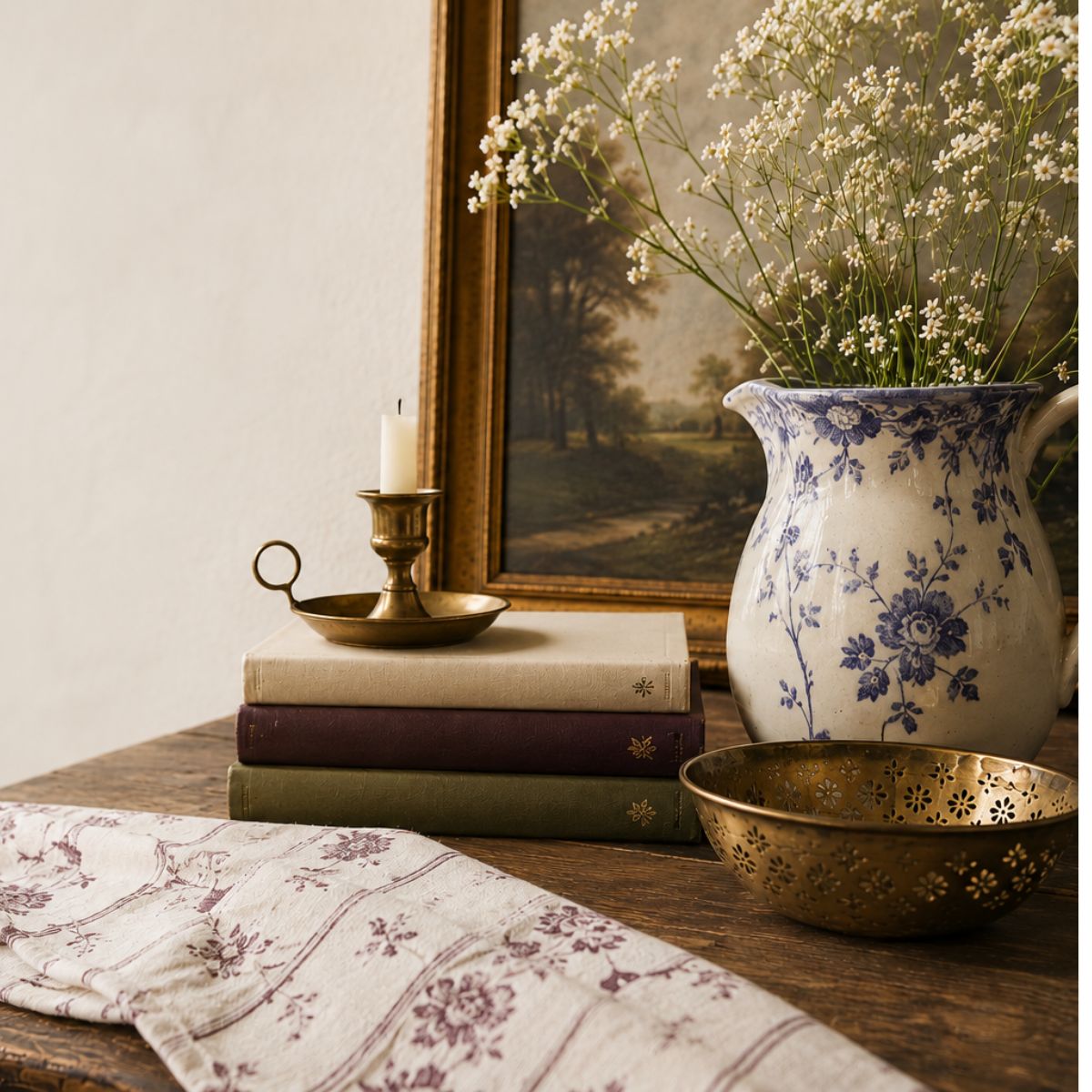

The Pantry That Quietly Holds a Home
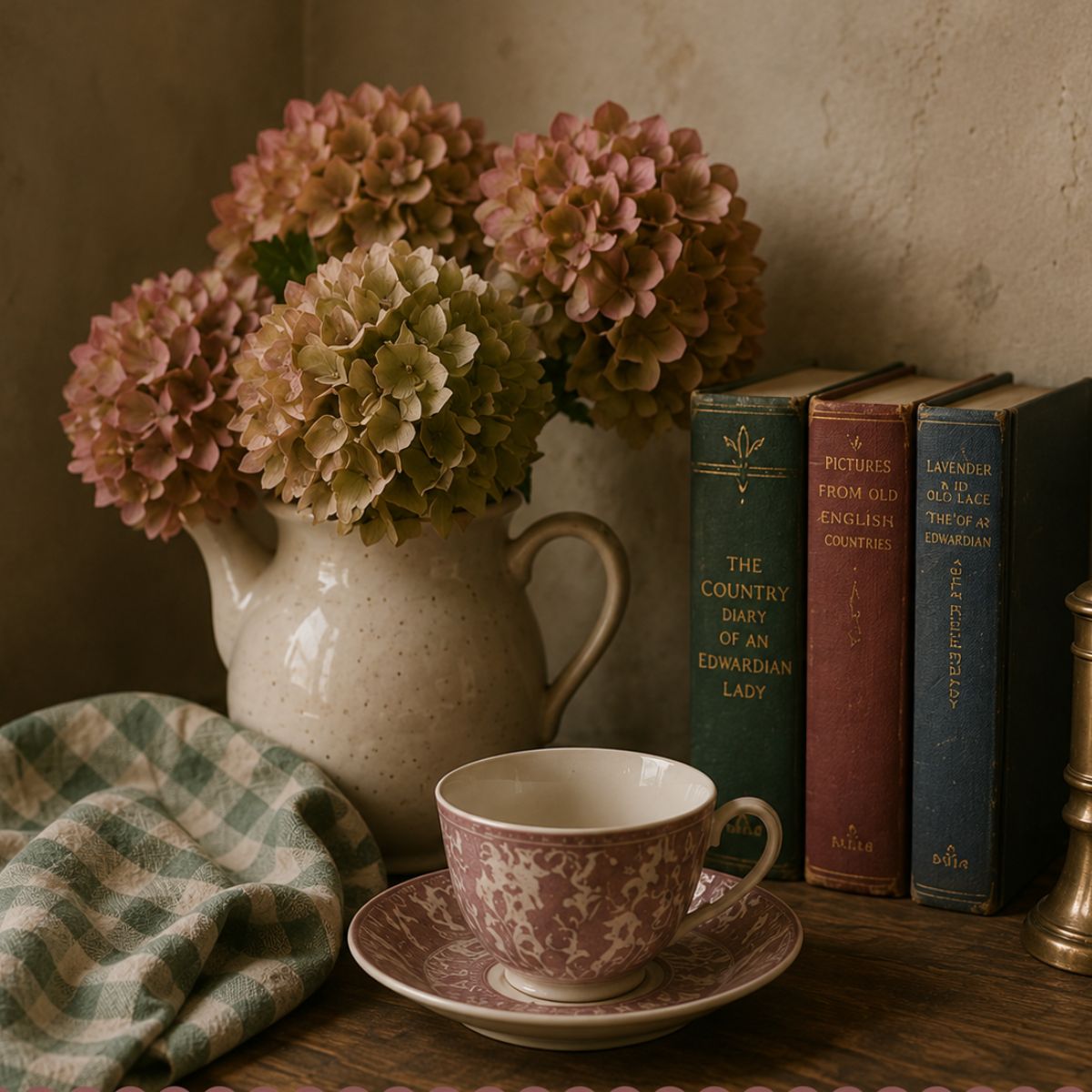

A beautiful pantry isn't built in a day — it's collected, one useful piece at a time. The most inviting pantries aren't the ones ordered in a single afternoon from a single store. They're the ones assembled slowly: a crock found at an estate sale, a platter passed down through family, a candle that's become part of the dinner ritual. This is what we mean when we say a pantry can quietly hold a home.
What Is a Collected Pantry?
A collected pantry is one curated gradually from useful, well-made pieces — vintage crocks, serving platters, everyday linens — rather than furnished all at once with matching sets. Each piece earns its place through use, which is why a collected pantry feels layered and personal in a way a brand-new one never quite does.
There's no checklist to complete and no deadline to meet. A collected pantry is simply the record of how you actually live: what you reach for, what you set out when people come over, what you light before the meal is ready.
Why Shouldn't You Fill a Pantry All at Once?
Because a pantry filled in a day reflects a shopping trip, and a pantry collected over years reflects a life. When everything arrives at once, everything is interchangeable — nothing has a story, and nothing has a job it's quietly perfect for.
Collecting slowly also means every piece gets tested by real use. The crock that turns out to be exactly the right height for wooden spoons stays. The gadget that seemed clever in the store doesn't. Time is the best editor a pantry will ever have. Give yourself permission to leave shelves unfinished. An empty spot isn't a failure — it's room for the right piece to arrive.
What Belongs in a Collected Pantry?
The pieces that belong in a collected pantry are the ones that work every day and still look beautiful doing it. A few we return to again and again:

The Crock That Always Holds the Spoons
Every kitchen has one — or should. A sturdy stoneware crock beside the stove becomes the quiet anchor of the whole room. It's the piece you stop noticing because you use it constantly, which is exactly the point.
The Platter That Appears Whenever Family Gathers
Some pieces only come out for the moments that matter. A large vintage platter — ironstone, transferware, or simple white ceramic — carries more than food to the table. Over enough Sundays and holidays, it becomes part of how your family remembers gathering.
The Candle That's Lit Before Dinner Is Ready
Not everything in a pantry has to be practical. A taper or pillar candle lit while the meal is still cooking marks the shift from the busy part of the day to the slow part. Rituals like this are what make a pantry feel like part of the home rather than storage off the kitchen.
How Do You Start Collecting for Your Pantry?
Start with what you'll actually use this week — not what a finished pantry is supposed to contain. Choose one piece that solves a real, daily need: something to hold the spoons, corral the napkins, or serve the bread.
Then let the rest come slowly. Estate sales, flea markets, antique shops, and family hand-me-downs are where the best pantry pieces are found, because those pieces have already proven they can last. Look for natural materials — stoneware, wood, linen, glass — and shapes that were common for generations. If it was useful in an 1890s kitchen, it will be useful in yours.
And when you find a piece you love but can't yet name a use for? You have permission to bring it home anyway. Useful has a way of revealing itself.
Frequently Asked Questions
What is the difference between a collected pantry and a decorated pantry?
A decorated pantry is styled to look finished; a collected pantry is built from pieces you genuinely use. The difference shows over time — decorated pantries date quickly, while collected ones only get better.
Are vintage pantry pieces safe to use for food?
Many are. Stoneware crocks, glass jars, and most ironstone are safe for everyday use. For older glazed or painted pieces, reserve anything questionable for dry goods or display, and use food-safe pieces for serving.
Where can I find vintage pantry pieces?
Estate sales, flea markets, antique shops, and online vintage sellers are the most reliable sources. Hazel Home Co. sources vintage and vintage-inspired pantry pieces from Upstate New York, chosen for everyday usefulness.
How many pieces do I need to start a collected pantry?
One. A collected pantry begins with a single useful piece and grows from there. Starting small isn't a compromise — it's the entire method.